Kids Math Games, Done Calmly

The Calm Math Game for 1st & 2nd Grade: No Timers, No Tears

A calm 1st & 2nd grade math game with no timers, streaks, or coin stores. Traditional math apps only check the final answer and buzz when kids get it wrong. SmartyPants Math catches misconceptions mid-calculation and guides kids step by step through regrouping, carrying, and borrowing with gentle, zero-stress hints.

Free Early Access · No credit card required · 100% Ad-free & private
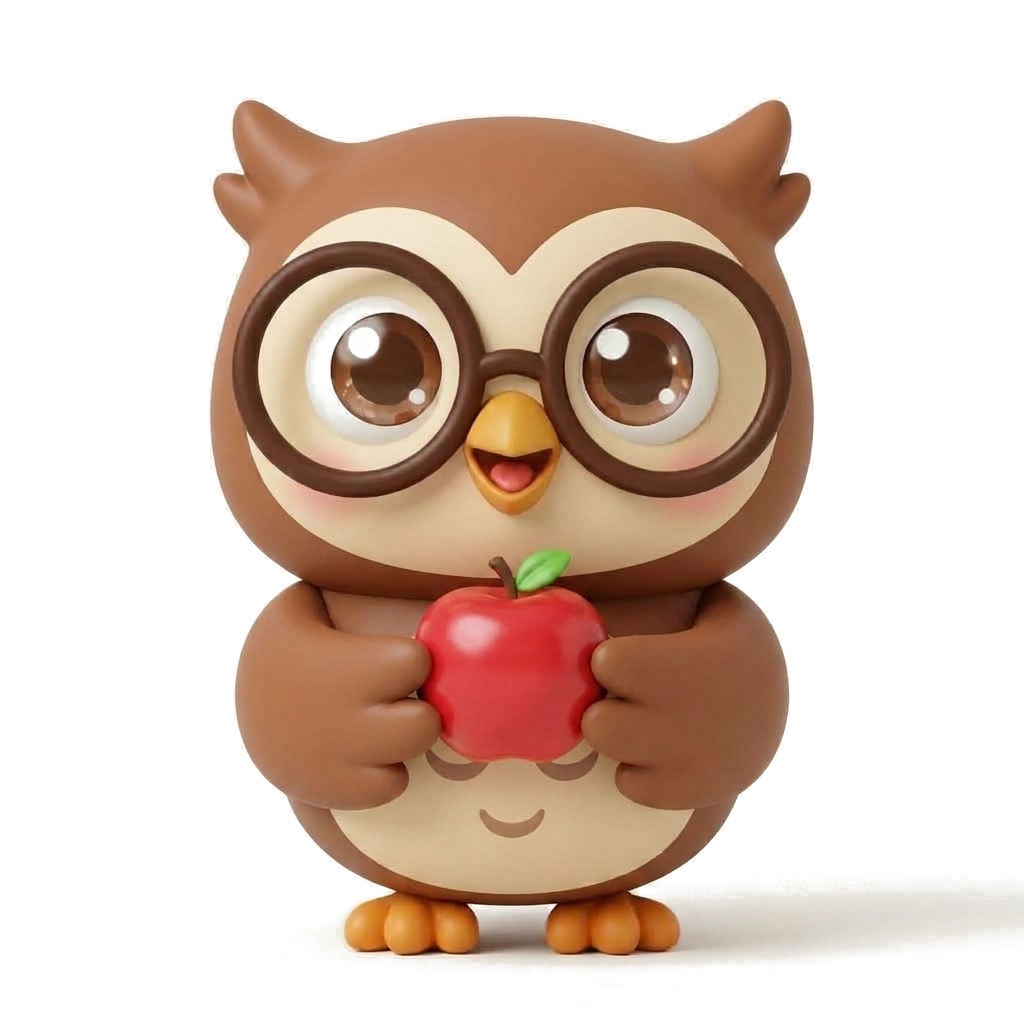
Barnaby the Owl holding a crisp red apple
3D tactile target representing mid-problem step checking

Mid-Problem Step Checking

Diagnoses intermediate calculation errors at the exact slot before frustration spirals into tears.

3D satin safety shield representing radical privacy

Zero-PII Radical Privacy

Developed in alignment with COPPA, zero third-party ads, zero tracking, and zero behavioral profiling.

3D golden toy key representing free early access

Free Early Access

Free to start during early access — zero credit card required.

3D satin calm sprout representing anxiety-free design

Calm by Design

Zero countdown timers, zero coin stores, and zero anxiety-inducing streak bars.

The "Mid-Problem Rescue"

Why Checking Answers at the End Fails Kids

When multi-digit math gets tricky, traditional drill apps wait until the end to buzz. SmartyPants catches place-value misconceptions the exact moment they happen.

The Old Way · Final-Answer Drill
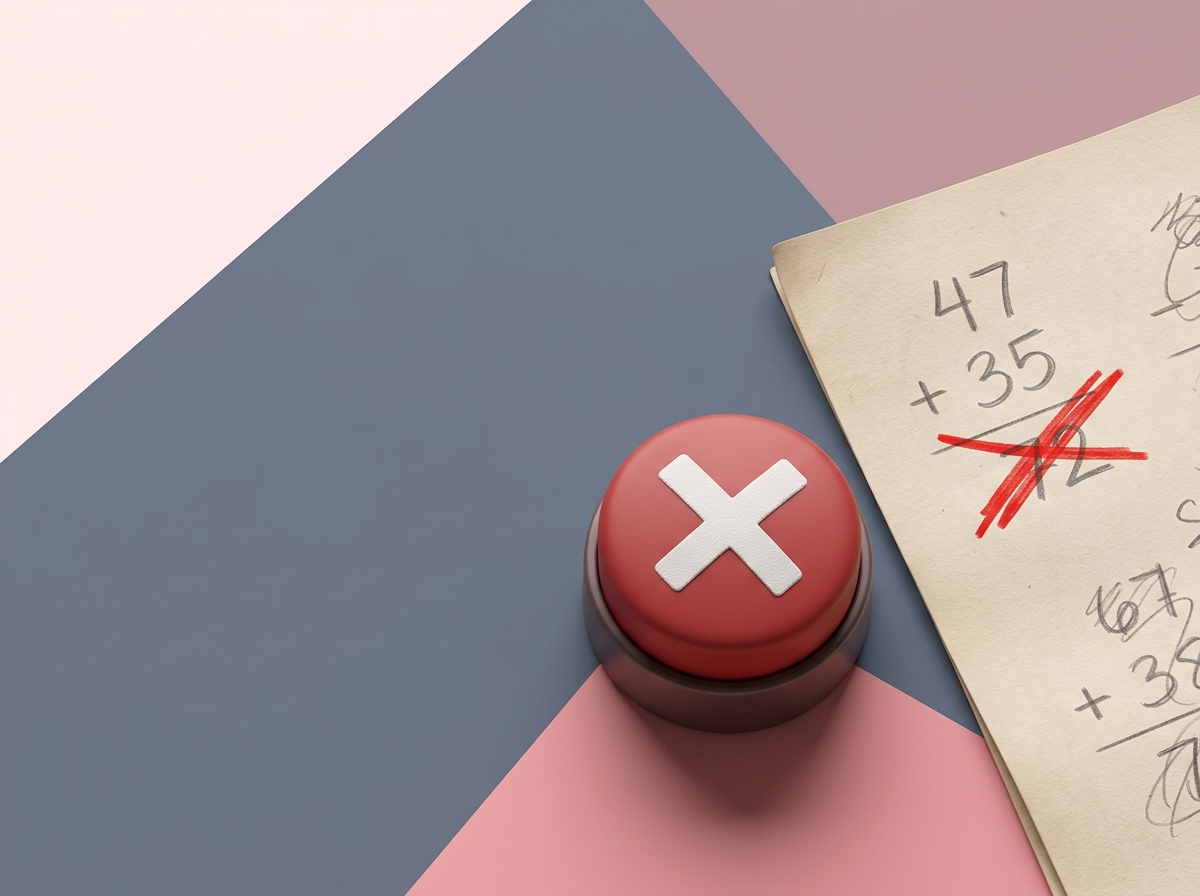
Traditional math buzzer marked with an X next to a crossed-out math problem

Silent Frustration & Alarming Buzzers

The child worked through 47 + 35 alone, miscalculated regrouping in the ones column, and was greeted with a loud buzzer. Neither parent nor child knows which step broke down.

Outcome: Dinner-table tears, guessing habits, and creeping math anxiety.
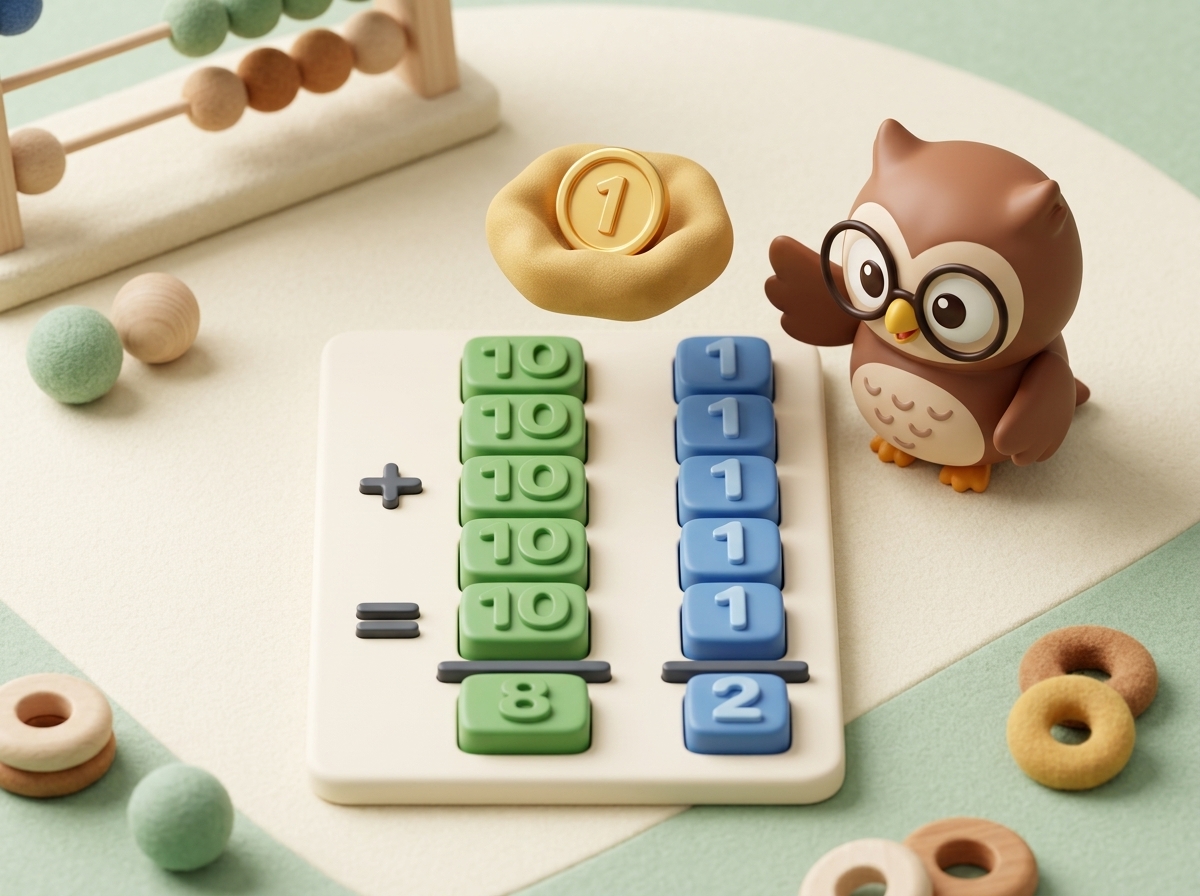
The SmartyPants Way · Real-Time Slot Guidance
3D illustration of Barnaby the Owl pointing to a color-coded carry block in a calm math workspace

Calm Intermediate Scaffolding

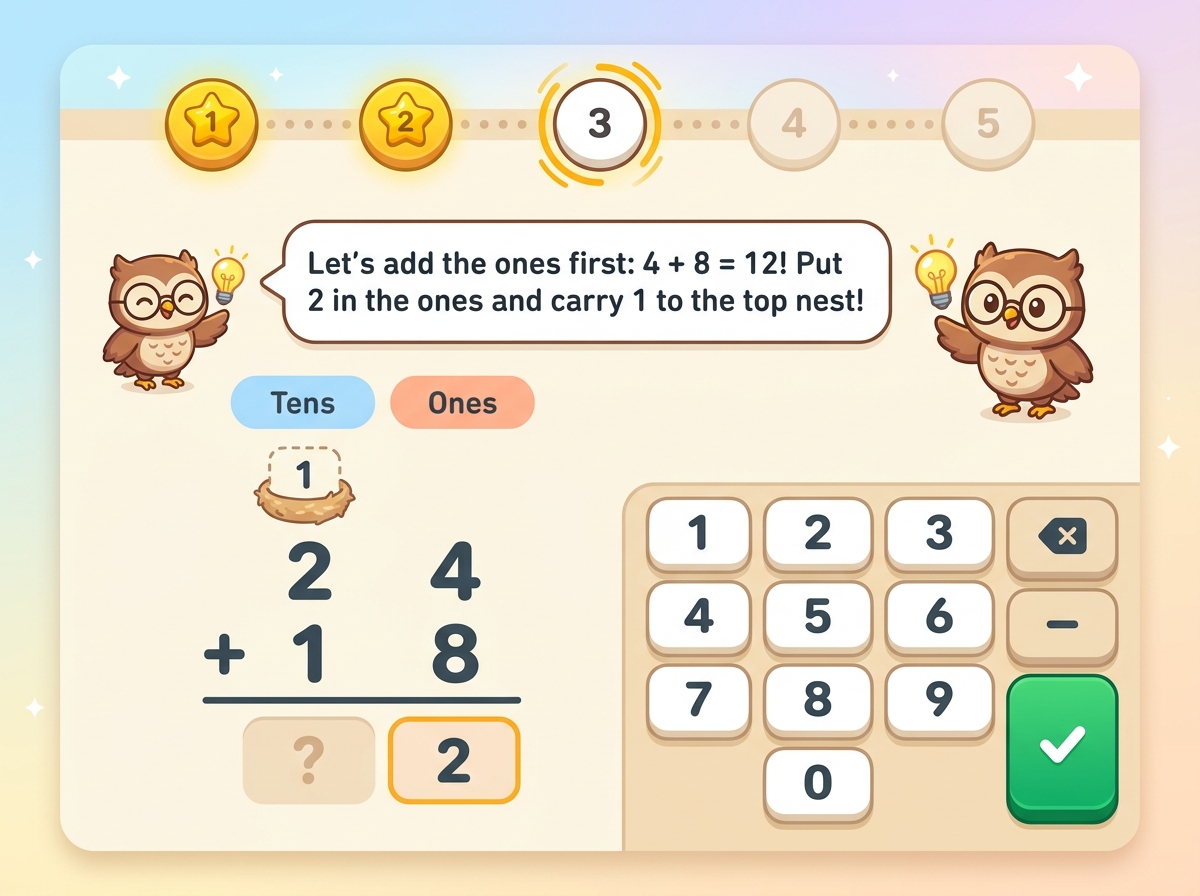
When 12 ones are entered, Barnaby gently highlights the Carry Holding Nest: keep the 2 in the ones column and fly the 10 into the tens column. Zero red marks.

Outcome: True place-value comprehension, zero stress, and joyful math resilience.
Foundational Principles

Why a Calm Math Game Works

Every interaction is engineered to protect young working memory and foster genuine conceptual fluency.

3D tactile clay brain representing working memory protection

Working Memory Protection

Single-step cognitive scaffolding isolates one column at a time, preventing cognitive overload during multi-digit regrouping.

3D tactile clay seedling sprout representing gentle growth

Gentle Error Validation

Zero punitive red Xs or alarming buzzers. Misconceptions trigger friendly, step-by-step diagnostic hints from Barnaby.

3D tactile clay safety shield representing radical privacy

Zero-PII Radical Privacy (COPPA)

No real child names, no child email capture, no targeted ads, and no behavioral data tracking. Safe by structural design.

Showcase A • Concrete-Representational-Abstract

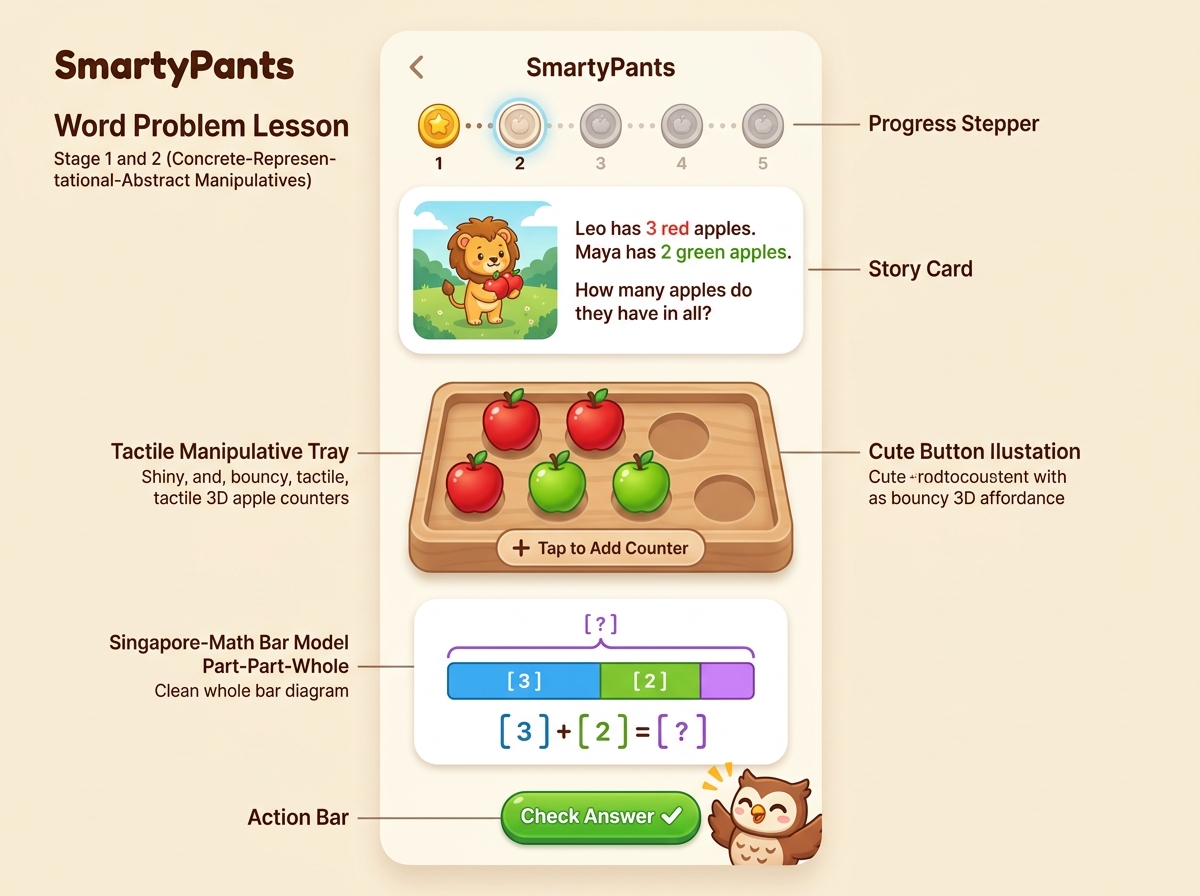
The 3D CRA Apple Manipulative Tray

Word problems don't begin with numbers—they begin with concrete objects young minds can touch, group, and understand before symbolic abstraction.

Concrete-Representational-Abstract 3D Apple Manipulative Tray

1. Concrete Tactile Counters

Children manipulate crisp 3D apple counters to physically represent quantities before any abstract numbers are introduced.

2. Representational Bar Model

Singapore-style visual part-whole bars bridge physical items to mathematical relationships, grounding part-part-whole concepts.

3. Abstract Math Sentence

The symbolic equation (4 + 3 = 7) emerges naturally once the child grasps the physical quantity, cementing mathematical fluency.

Showcase B • Cognitive Load Protection

The Calm Vertical Math Workspace

Traditional worksheets overwhelm working memory with cluttered layouts. Our vertical calculation workspace isolates place-value steps into an anxiety-free environment.

Calm Vertical Column Math Practice Workspace

1. Carry Holding Nest

A dedicated holding dock for regrouped tens keeps working memory clear, making multi-digit addition tactile and manageable.

2. Tens & Ones Color Grounding

Powder-blue Tens and warm-peach Ones columns anchor place-value understanding without sensory fatigue or visual chaos.

3. Zero-Distraction Safe Zone

No countdown timers, coin stores, or flashing streak buzzers. Children solve problems at their own cognitive pace with gentle scaffolding.

Pedagogy & Research Lab

Backed by Learning Science, Not Gimmicks

Authored by Andrushko Zoryana · Head of Pedagogy & Curriculum Architect

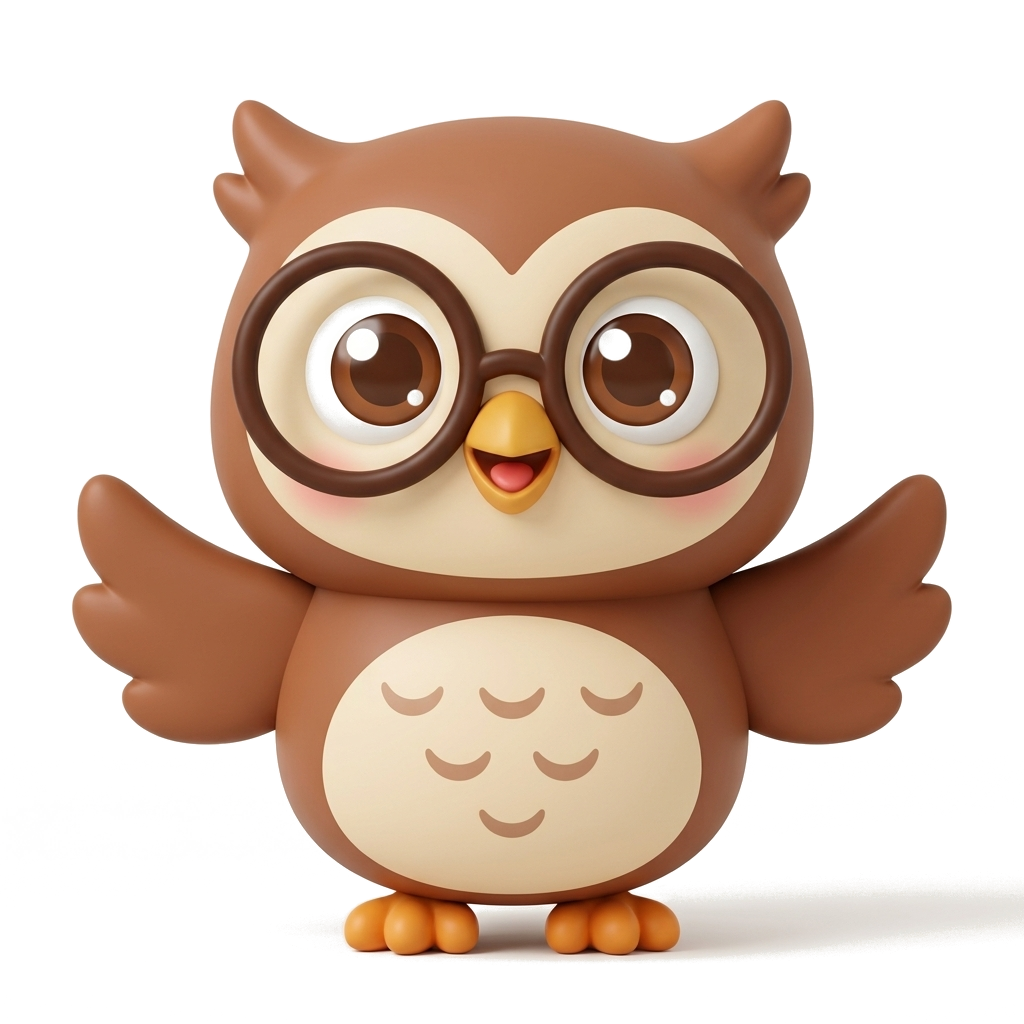
Barnaby the Owl friendly mascot
Free Early Access · No Credit Card Required

Calm Math is Hatching Soon

Be among the first parents and educators to test SmartyPants when our beta launches. Free early access — no credit card required.

Common Questions

Frequently Asked Questions

Everything parents ask about our calm, step-by-step math game for 1st and 2nd grade.

Why does my 2nd grader cry over math homework?

Most math tears come from a quiet mistake in the middle of a problem, often when carrying or regrouping, that the child cannot see. They finish all the steps, get a wrong answer at the end, and feel it was all for nothing. Pressure from timers makes it worse. SmartyPants Math checks each step as it happens and offers a calm hint right at the slip, so the mistake gets fixed before frustration builds.

What is regrouping in math, and how is it different from carrying?

Regrouping means trading ten ones for one ten (or one ten for ten ones) so a number can be added or subtracted column by column. Carrying is the written shortcut for regrouping in addition: the small "1" a child writes above the next column. Regrouping is the idea; carrying is how it looks on paper. SmartyPants Math teaches the idea first so the shortcut makes sense.

How does SmartyPants Math help kids without doing the work for them?

Your child does every step. When a step is off, Barnaby highlights that exact column and gives a gentle clue instead of the answer, so your child finds and fixes the mistake. The thinking stays with your child, and the hint only keeps them from getting stuck.

What ages and grades is SmartyPants Math designed for?

SmartyPants Math is crafted specifically for early elementary learners in Kindergarten through Grade 2, with foundational skill bridges extending into Grades 3–5. Our step-by-step scaffolds support children mastering number sense, place value, addition, and subtraction with carrying and borrowing.

How does mid-problem step checking prevent homework tears?

Traditional math apps only check the final answer at the end, buzzing with a red 'X' after a child has already done all the work. SmartyPants Math checks each column or step as it happens. When a child makes a calculation slip or forgets to carry, Barnaby offers a gentle, immediate hint right at that step, preventing confusion before it turns into tears.

Why are there no timers, points, or streaks?

Research in Cognitive Load Theory shows that countdown timers, loss-streak pressure, and flashing reward animations deplete young working memory and trigger math anxiety. SmartyPants Math removes high-stakes pressure so children can focus deeply on conceptual understanding at their own natural pace.

Is early access really free, and is a credit card required?

Yes, early access is 100% free with zero credit card required. There are no hidden fees, trial periods, or surprise auto-renewals. Families and educators on the early access waitlist receive full access to our foundational practice modules at launch.

How do you protect child privacy?

SmartyPants Math is built with radical privacy and strict COPPA alignment. We never collect children's real names, email addresses, or phone numbers. We have zero third-party tracking scripts, zero advertising networks, and zero behavioral profiling.